Rodent exclusion and abatement addresses active indoor rodent activity by shifting focus away from repetitive chemical toxicity toward structural fortification. In historic neighborhoods like Old Louisville, The…
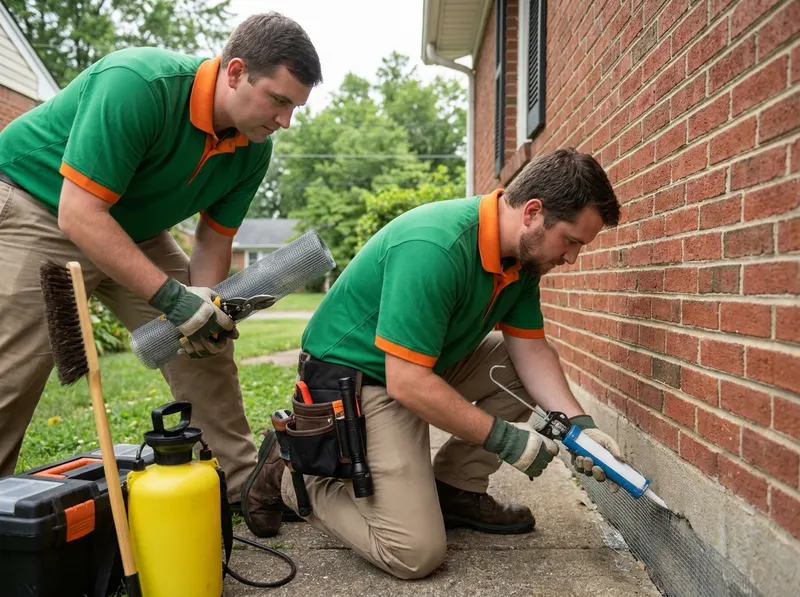
Rodent exclusion and abatement addresses active indoor rodent activity by shifting focus away from repetitive chemical toxicity toward structural fortification. In historic neighborhoods like Old Louisville, The Highlands, and Crescent Hill, architectural elements such as rough-cut limestone foundations, fieldstone footings, and unsealed decorative brick vents provide routine entry points. A young house mouse requires an opening of only 0.25 inches (6 millimeters), while an adult Norway rat can penetrate gaps measuring 0.5 inches (12 millimeters). Structural abatement relies on rigid materials including 16-gauge galvanized steel hardware cloth, copper wire mesh, and poly-fill expansion compounds that rodents cannot chew through.
The strategic trade-off rests between short-term anticoagulant baiting and comprehensive physical exclusion. Exterior chemical bait boxes reduce outdoor colony pressure near alleys in Germantown or Clifton, but poisoning interior rodents without sealing ingress points leads to carcass decomposition inside wall voids and subfloors. Physical exclusion permanently resolves structural vulnerability without placing non-target domestic pets or small children at risk of chemical exposure. When properties feature shared brick party walls or crawl spaces, common in Portland and Shively, exterior isolation traps existing populations inside a controlled kill zone where enclosed snap traps collect carcasses mechanically.
Properties bordering riparian corridors or mature tree canopies, such as homes flanking Beargrass Creek in St. Matthews or expansive residential lots in Jeffersontown and Pleasure Ridge Park, experience elevated autumn rodent migration. Cooling overnight temperatures trigger commensal rodent searches for nesting heat near water heaters, floor joists, and attic insulation. The abatement process executes in four distinct phases: 1. Complete foundation-to-ridge vent structural inspection to map transit routes. 2. Mechanical closure of sill-plate gaps, crawl space vents, weep holes, and utility pipe penetrations. 3. Interior tactical trap lines set along baseboard runways. 4. Retrieval visits to document count and confirm zero remaining activity before baseline monitoring concludes.
Every job gets a firm, written price after a free on-site visit.
Tell us about your rodent exclusion and abatement job in Louisville and we'll send a clear, written quote, usually the same day.
 Orvanta Pest Guard