Pest control services Louisville homeowners and property managers rely on require clinical structural diagnosis and precise perimeter defense tailored to the Ohio River Valley climate. Properties across Jefferson County experience sustained moisture levels that accelerate termite swarms, German cockroach breeding cycles, and seasonal indoor rodent migrations.
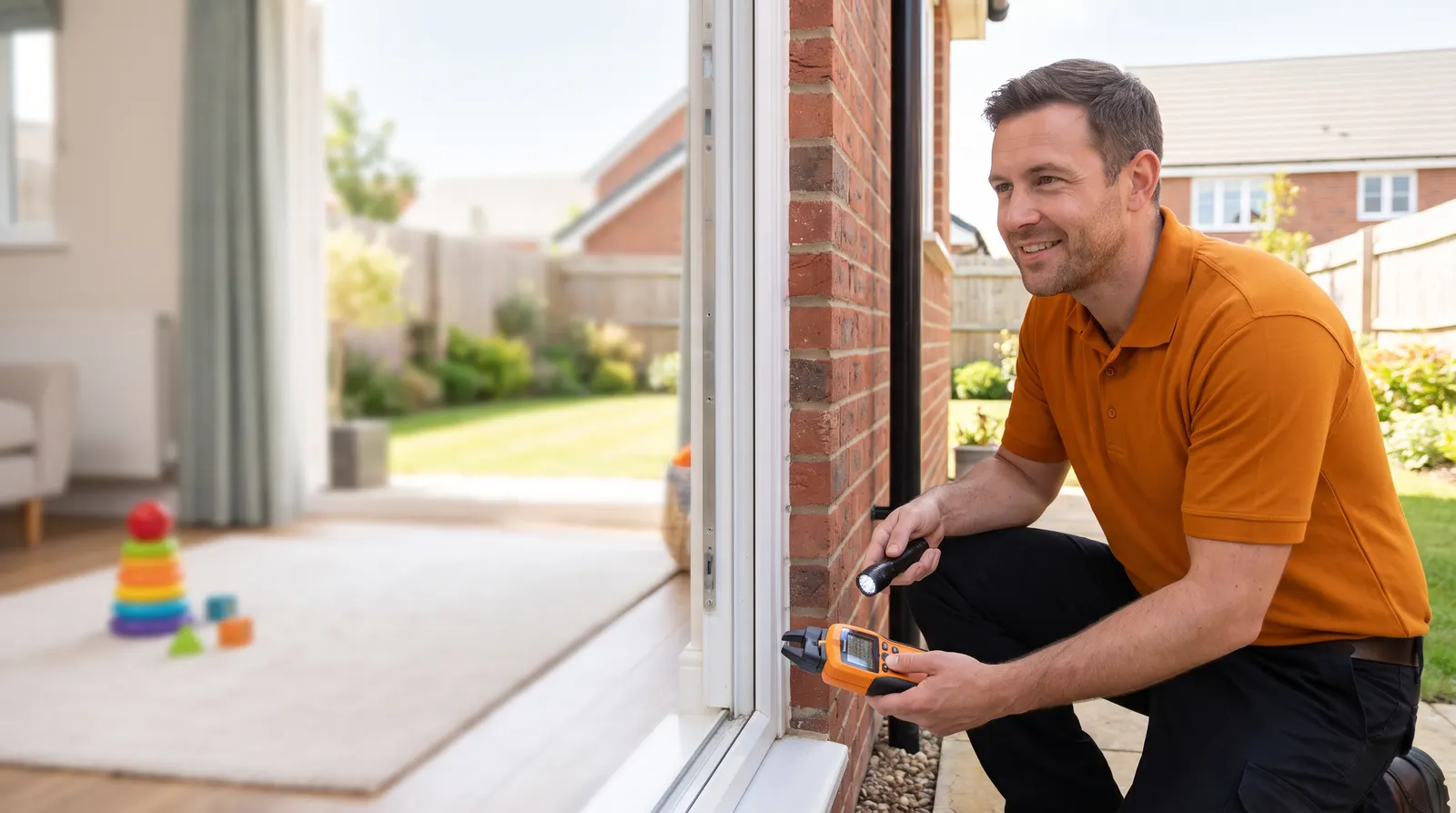
A pest control services company in Louisville is a licensed structural pest management provider that inspects properties, implements targeted mechanical exclusions, and applies perimeter barrier deterrents to eliminate active insect and rodent infestations.
Every service reflects the same meticulous attention to detail, whether it's a single job or a larger pest control services project across Louisville.
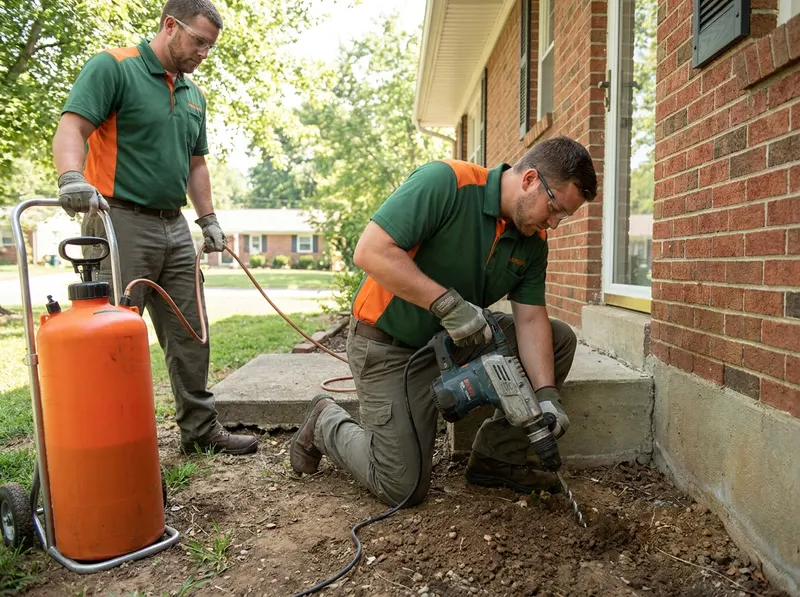
Subterranean termite control utilizes targeted non-repellent liquid soil treatments and monitored perimeter baiting systems along structural foundations. Technicians trench and treat the soil perimeter down to the footing depth to eliminate Reticulitermes flavipes colonies before structural framing damage occurs. Properties receive continuous trenching along exposed exterior stem walls, specialized slab injection through expansion joints, and high-tensile monitoring stations placed every ten feet to detect foraging worker termites before they contact subfloor sill plates.
Get a quote →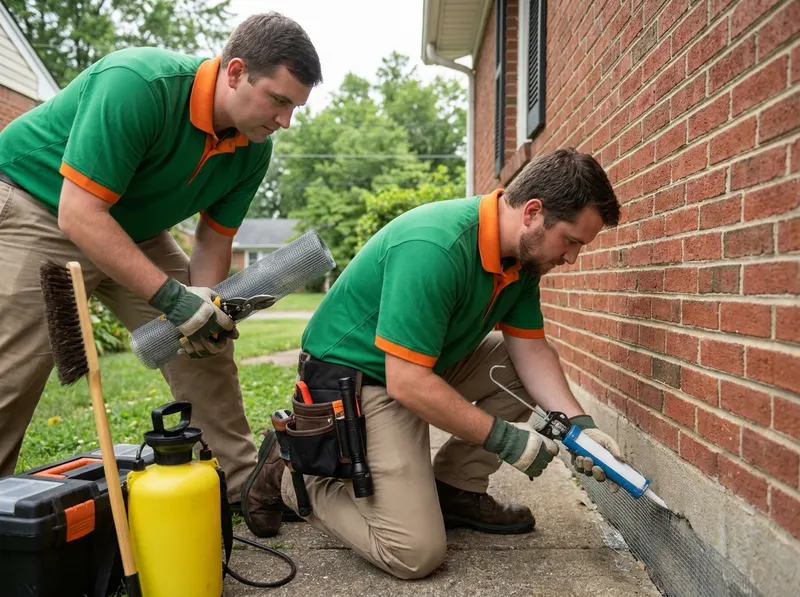
Rodent exclusion delivers complete structural sealing using heavy-gauge hardware cloth, metal flashing, and elastomeric sealants on entry gaps larger than one-quarter inch. Technicians clear active Norway rat and house mouse populations using mechanical trapping zones inside crawl spaces and attic voids. The protocol includes sealing foundation pipe penetrations, reinforcing crawl space access hatches, securing roofline soffit gaps, and placing tamper-resistant exterior bait stations along exterior migration corridors to prevent structural re-infestation.
Get a quote →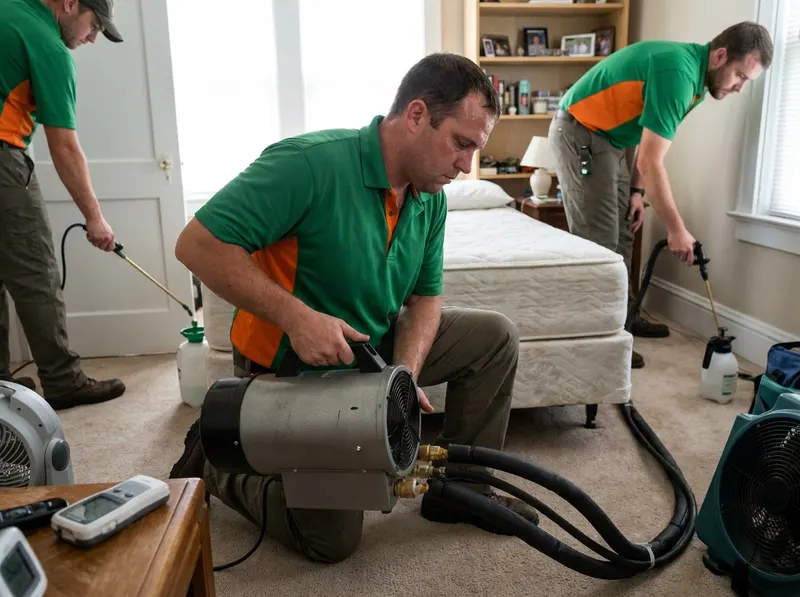
Bed bug eradication incorporates targeted perimeter insecticide applications, crevice dusting, and high-heat protocols to eliminate Cimex lectularius at every life cycle stage. Technicians systematically inspect mattress seams, baseboards, electrical faceplates, and framing joints throughout affected rooms. Remediations deploy dual-action juvenile growth regulators, localized structural heat blankets operating above 122 degrees Fahrenheit, and non-staining botanical contact formulations to eradicate egg clusters hidden within wall voids and furniture joinery.
Get a quote →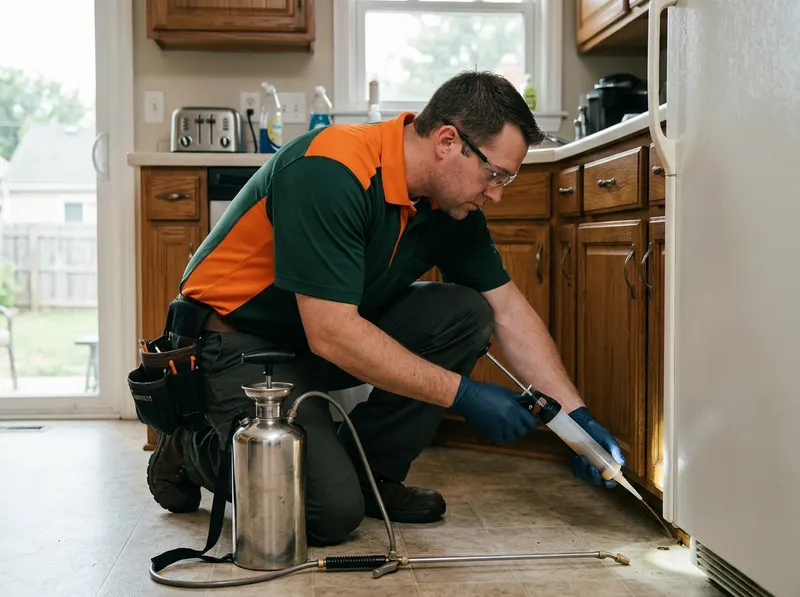
Cockroach management treats German, American, and Oriental roach populations using precision insect growth regulators and high-potency non-repellent gel baits. Direct applications focus on kitchen plumbing chases, behind major appliances, under subfloors, and around damp utility penetrations. Technicians apply long-residual microencapsulated suspensions within voids and deploy pheromone-monitored capture boards to confirm reproduction arrest and verify complete colony mortality within wet, heated kitchen and bathroom wall cavities.
Get a quote →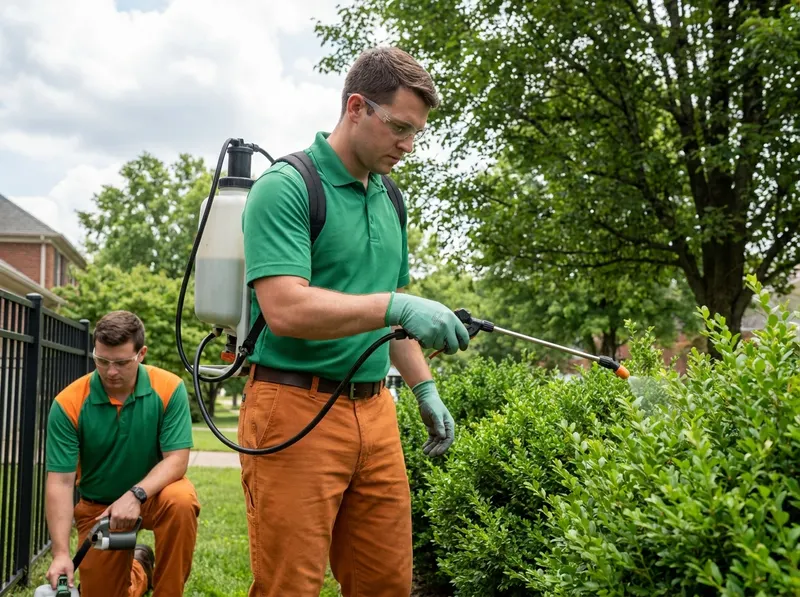
Seasonal outdoor suppression applies microencapsulated barrier sprays to the undersides of dense foliage, shaded turf margins, and property perimeters where humidity collects. Monthly treatments interrupt larval development and knock down adult vector populations throughout the warm season. Technicians deploy targeted bacillus thuringiensis israelensis dunks in non-draining catchment zones and direct precision mist applications along tree lines, ornamental shrub beds, and fence perimeters to neutralize resting adult mosquitoes and deer ticks.
Get a quote →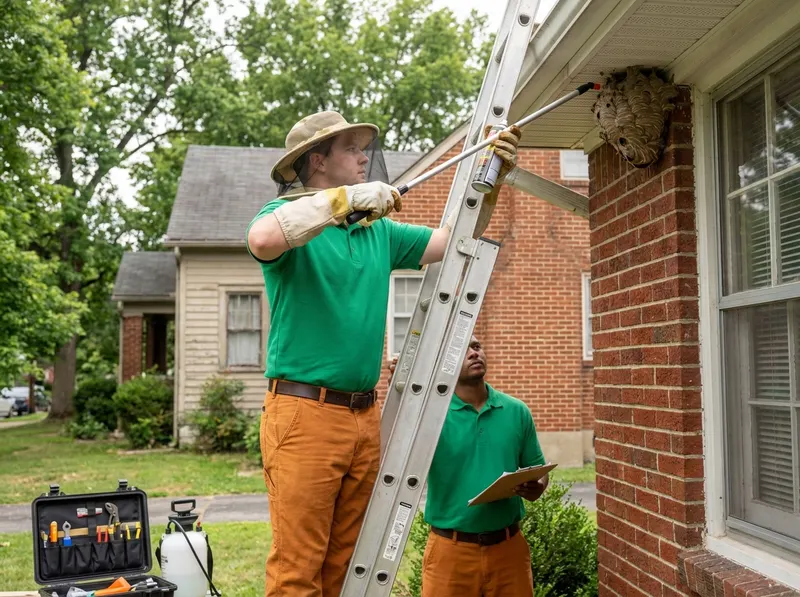
Stinging insect remediation safely neutralizes and removes aerial bald-faced hornet nests, paper wasp colonies under soffits, and underground yellowjacket burrows. Technicians utilize direct aerosol freeze agents and protective perimeter suits to safely detach nests from building eaves and landscape perimeters. Void-dwelling yellowjacket colonies nesting inside wall cavities receive targeted residual dust injections that eliminate returning foraging workers without forcing agitated insects into living spaces.
Get a quote →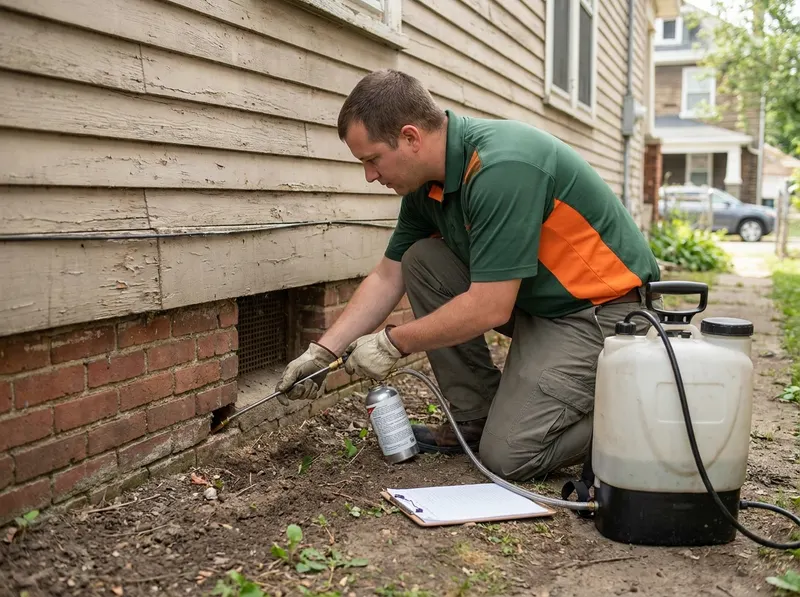
Targeted ant eradication stops odorous house ants, carpenter ants, and pavement ants using slow-acting transferable liquid baits and foundation perimeter barriers. Foraging worker ants carry the undetectable active ingredient back to the central queen, collapsing the entire reproductive colony within days. Sub-surface treatments along structural perimeters and damp landscape ties neutralize carpenter ant satellite nests, protecting load-bearing wall studs and exterior fascia boards from moisture-driven wood excavation.
Get a quote →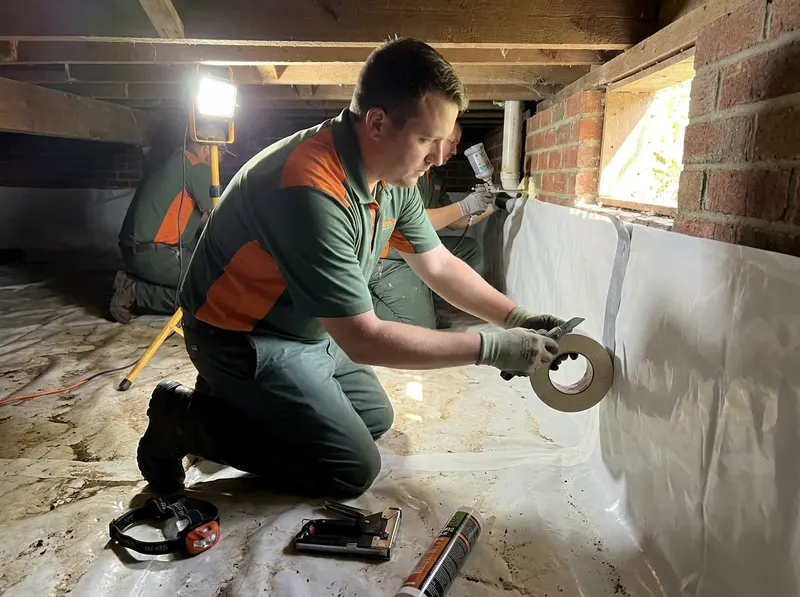
Crawl space pest mitigation installs 12-to-20-mil reinforced vapor barriers across exposed earth floors, sealing foundation vents and applying borate wood preservatives to subfloor joists. This structural barrier reduces ground moisture levels below 15 percent, eliminating conditions that harbor wood-boring beetles and moisture ants. The process includes treating structural sills with preventative disodium octaborate tetrahydrate and closing exterior crawl space vents to prevent warm river valley humidity from condensing on subfloors.
Get a quote →You get a firm, itemized quote for your pest control services before any work begins, no surprises, no pressure.
Careful prep, tidy work, and a full cleanup when we are done. We treat your home and belongings like our own.
The same trusted, background-checked team from the first call to the final check.
Selecting appropriate structural defense depends on infestation severity, target biology, property construction materials, and environmental risk factors across the property layout. If an active wood-destroying organism or extensive rodent colonization is established within wall voids and crawl space subflooring, choose comprehensive mechanical exclusion paired with targeted liquid soil barriers and void dusting. If the structure faces seasonal exterior pressures like autumn stink bugs, boxelder bugs, odorous house ants, or perimeter spiders, select continuous quarterly exterior barrier defense.
The trade-off centers on interior disruption versus long-term boundary resilience: full structural exclusion requires thorough mechanical sealing, physical void access, attic staging, and targeted plumbing chase penetrations during the initial remediation visit, whereas exterior perimeter maintenance operates strictly around the outside foundation band to repel exploratory workers before structural breaches occur without requiring indoor occupant vacancy. Historic homes featuring rubble stone foundations, porous mortar joints, and dirt floors in older urban corridors require deep subsurface injection and structural mortar repointing, while contemporary poured-concrete slab structures in newer suburban tracts utilize continuous microencapsulated band applications along brick ledges and weep screeds. If property owners identify localized superficial ant trails or single-room wasp incursions, localized exterior perimeter treatments satisfy the requirement, whereas chronic indoor moisture problems and multi-generational German cockroach colonies necessitate intensive juvenile hormone disruptors, mechanical gel bait grids, and deep void desiccant applications across all high-humidity utility sectors.
Every project gets a firm, written price after a free on-site visit. Ranges below for orientation.
Tell us about your pest control services job and we'll send a clear, written quote, usually the same day. Or just call and talk to a real Louisville pro.
(270) 400-2488
Properties near Cherokee Park and Iroquois Park encounter heavy seasonal pressure from woodland rodents, carpenter ants, and subterranean termites driven by deep deciduous leaf litter and Ohio River Valley river basin humidity. Dense historic neighborhoods such as Old Louisville and Portland frequently face brick mortar degradation and rubble stone foundation gaps that allow mice and large American roaches easy winter basement access. Shifting moisture planes near Churchill Downs and the subterranean limestone topography around the Louisville Mega Cavern create distinct regional microclimates where pest activity remains elevated well into November. Older residential estates in Crescent Hill and Clifton often feature historic box gutters and mature canopy trees that channel excessive dampness toward exterior fascia boards, creating ideal nesting grounds for carpenter ants and paper wasp queens. Meanwhile, commercial corridors throughout St. Matthews and Jeffersontown experience severe seasonal cockroach and rodent migration along combined municipal stormwater and sanitary lines during sustained summer downpours. Low-lying tracts across Shively and Pleasure Ridge Park feature sandy-loam alluvial soils that allow subterranean termites to forge direct exploratory tubes into residential sill plates without meeting structural resistance. Technicians tailor chemical persistence, bait matrix selection, and mechanical exclusion hardware to these micro-regional structural conditions across Jefferson County.
Free estimates for Louisville & the surrounding area.
 Orvanta Pest Guard